2024Advanced4.4
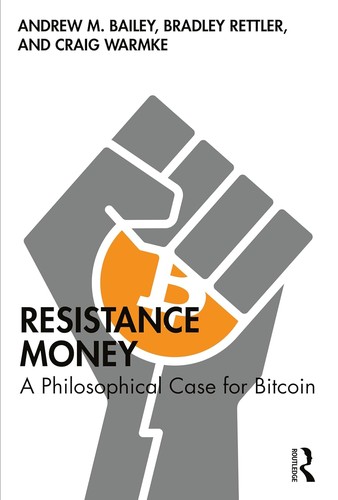
Resistance Money
Three academic philosophers' systematic, peer-reviewed argument that Bitcoin is, on balance, ethically defensible — and where it isn't.
BitcoinPhilosophyAcademic
The Catalog · 35 entries
The best books on blockchain, Bitcoin, Ethereum, and the broader crypto economy — reviewed.
Three academic philosophers' systematic, peer-reviewed argument that Bitcoin is, on balance, ethically defensible — and where it isn't.

Aaron van Wirdum's intellectual prehistory of Bitcoin, from Hayek and Chaum through the cypherpunks to Satoshi.
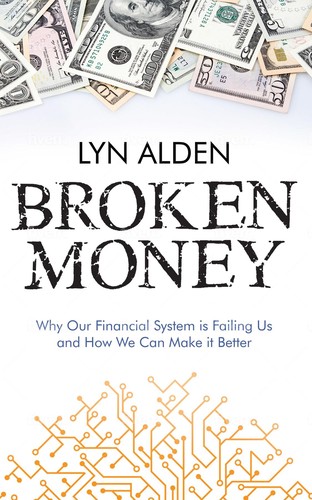
Lyn Alden's wide-screen history of money, the technology behind it, and why she thinks the current global monetary system is structurally unwell.
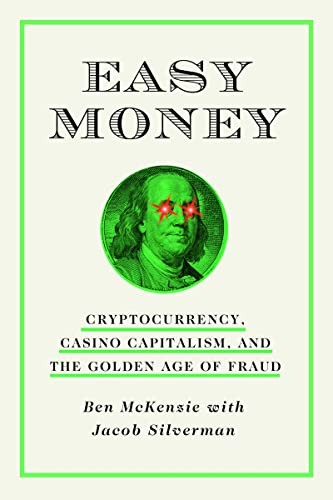
Actor-turned-economist Ben McKenzie and reporter Jacob Silverman's polemical tour of crypto fraud, from SBF to celebrity shills.

Zeke Faux's Bloomberg-grade investigation of Tether, FTX, and the people who made crypto's biggest bubble.

Alex Gladstein's reported case that Bitcoin is, first and foremost, a tool for the 89% of the world born outside reserve-currency systems.
Laura Shin's deeply reported history of Ethereum's first years and the people who built and broke it.
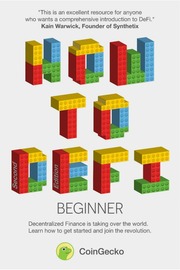
CoinGecko's hands-on intro to lending, AMMs, yield farming and the basic plumbing of DeFi.

Nik Bhatia's short, careful argument that money has always been organized in layers — and that Bitcoin is now part of the bottom one.
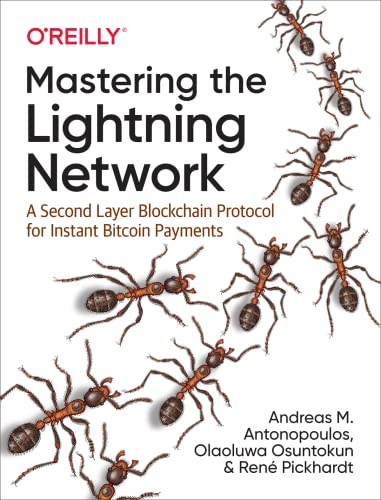
Antonopoulos, Osuntokun, and Pickhardt's deep technical book on how Lightning actually works.

Jonathan Bier's blow-by-blow history of Bitcoin's 2015–2017 civil war over block size and protocol governance.
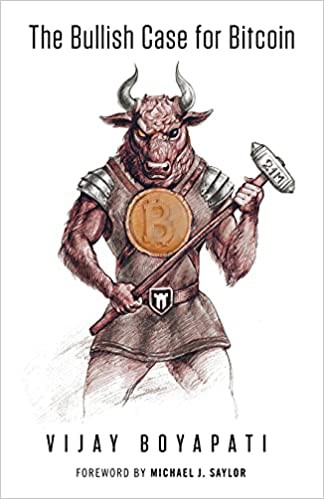
Vijay Boyapati's expanded book version of the canonical 2018 essay arguing Bitcoin is monetizing in real time.

Gigi's compact, surprisingly literary set of essays on what Bitcoin does to your view of money, time, and the world.
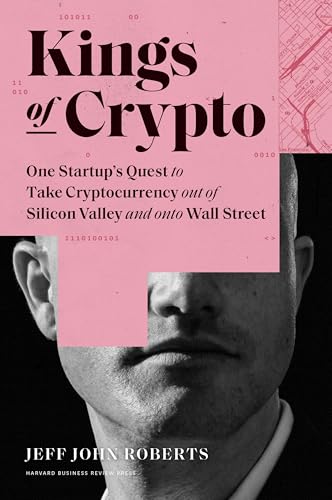
Jeff John Roberts on Coinbase — the rise of the company that more than any other made crypto buyable for ordinary Americans.
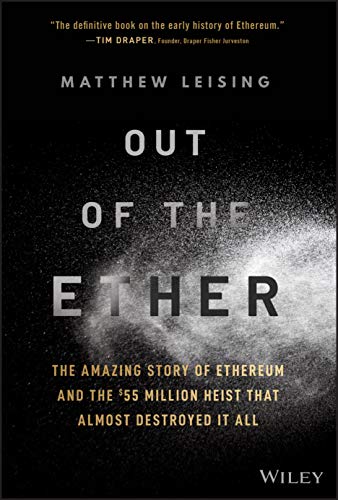
Matthew Leising's reconstruction of the DAO hack and the political crisis it created inside early Ethereum.
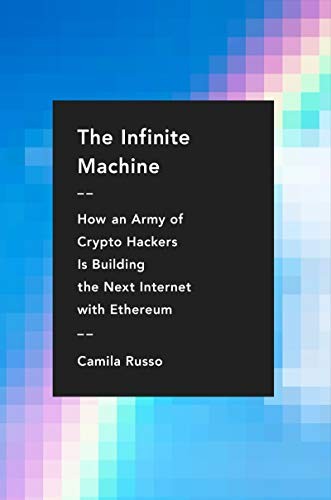
Camila Russo's narrative history of Ethereum, from Vitalik's whitepaper to the DAO and beyond.
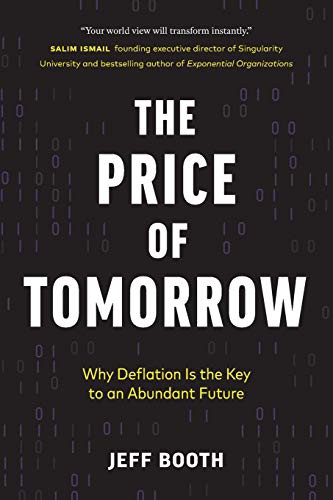
Jeff Booth's contrarian macro argument that technology is inherently deflationary and that fighting it with inflation is catastrophic.
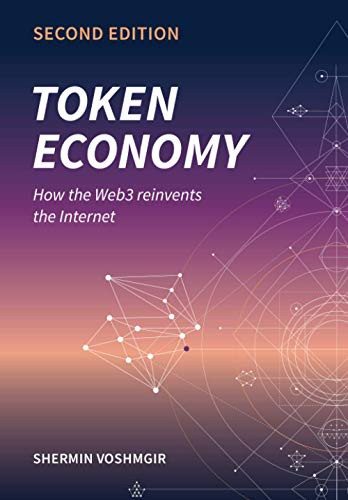
Shermin Voshmgir's broad survey of tokens, DAOs, and the post-Bitcoin Web3 design space.
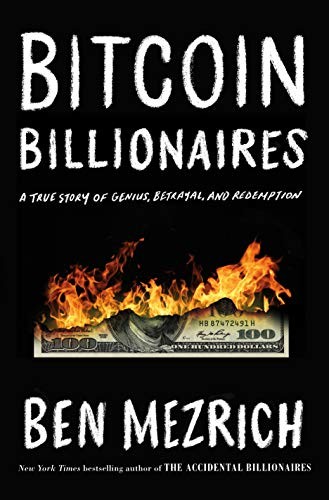
Ben Mezrich's breezy Hollywood-ready account of the Winklevoss twins' second act, in Bitcoin.
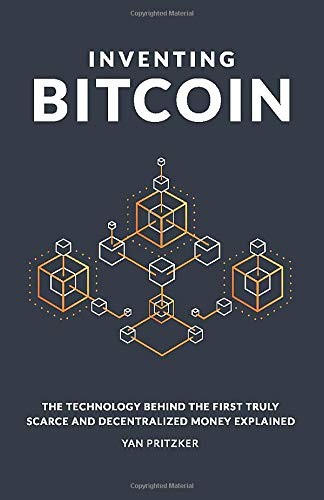
Yan Pritzker's short, layered explainer that walks you up to Bitcoin one problem at a time.
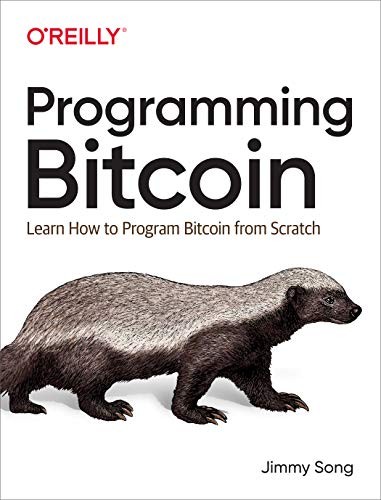
Jimmy Song's hands-on engineering text — build Bitcoin from first principles in Python.
A short collaborative primer written for people who've never heard of Bitcoin and don't yet care.
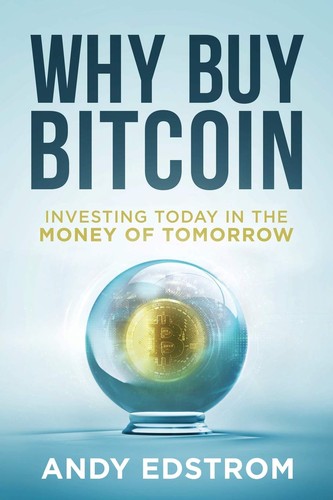
Andy Edstrom's CFA-flavored investment case for Bitcoin as a portfolio asset.
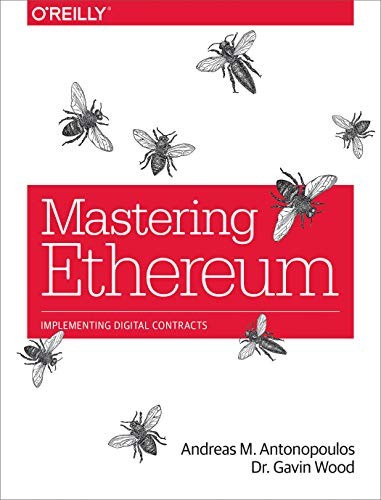
Antonopoulos and Wood's technical reference for the Ethereum protocol and smart contract development.
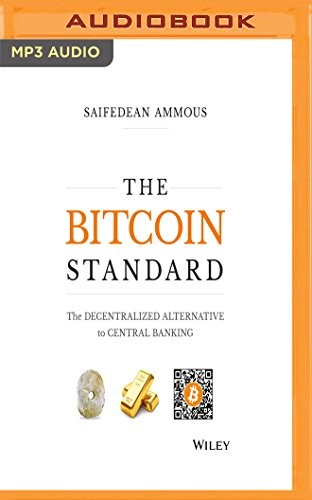
Saifedean Ammous makes the Austrian-economics case for Bitcoin as sound money.
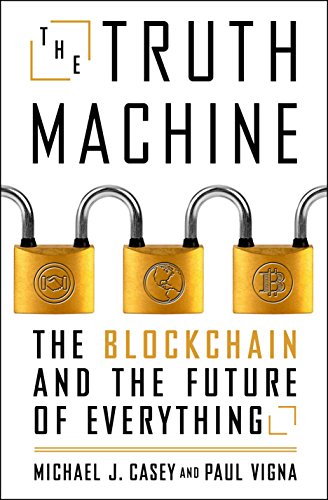
Vigna and Casey's 2018 follow-up to The Age of Cryptocurrency, this time pitched at the brief moment when 'blockchain not Bitcoin' looked like a real movement.
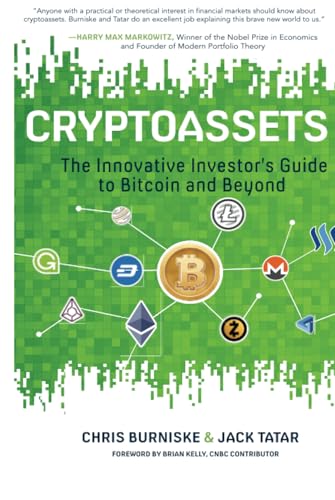
Burniske and Tatar try to bring a serious investment framework to crypto, just before the 2017 ICO mania made it look ridiculous.
The canonical engineering reference for Bitcoin — protocol, scripting, wallets, mining.
The second collection of Andreas Antonopoulos's edited keynote talks on Bitcoin, money, and the social implications of programmable currency.
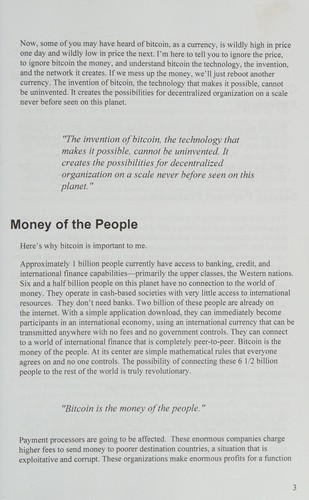
Andreas Antonopoulos's polished conference talks turned into a short, accessible Bitcoin manifesto.
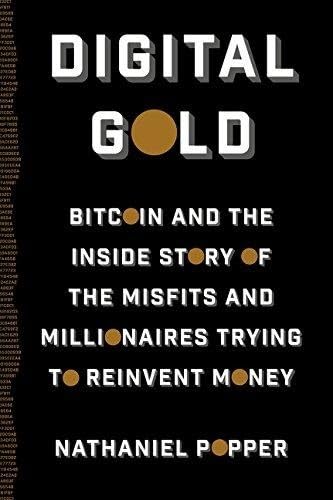
Nathaniel Popper's NYT-style narrative history of Bitcoin's first scrappy decade.
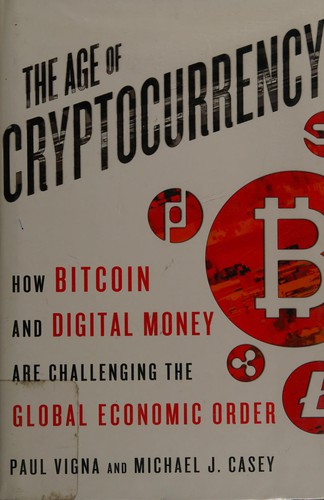
Two Wall Street Journal reporters explain Bitcoin to a financial audience that didn't yet take it seriously.
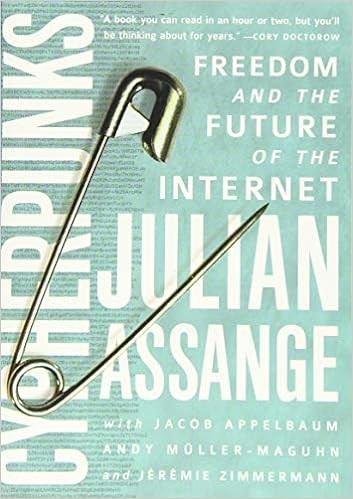
Julian Assange and three collaborators argue, in 2012, that cryptography is the last real defense against surveillance — and accidentally describe the world Bitcoin was about to inherit.
Satoshi Nakamoto's nine-page 2008 PDF that set the entire cryptocurrency industry in motion.
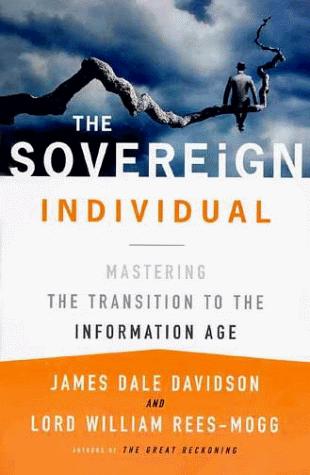
A 1997 prediction that information technology will dissolve the nation-state — quoted constantly in crypto, read carefully much less often.